
Description
white windsurfing board, including design, construction, use-case versatility, and technical insights.
The White Windsurfing Board – A Detailed Overview
Visual Design & Aesthetic
-
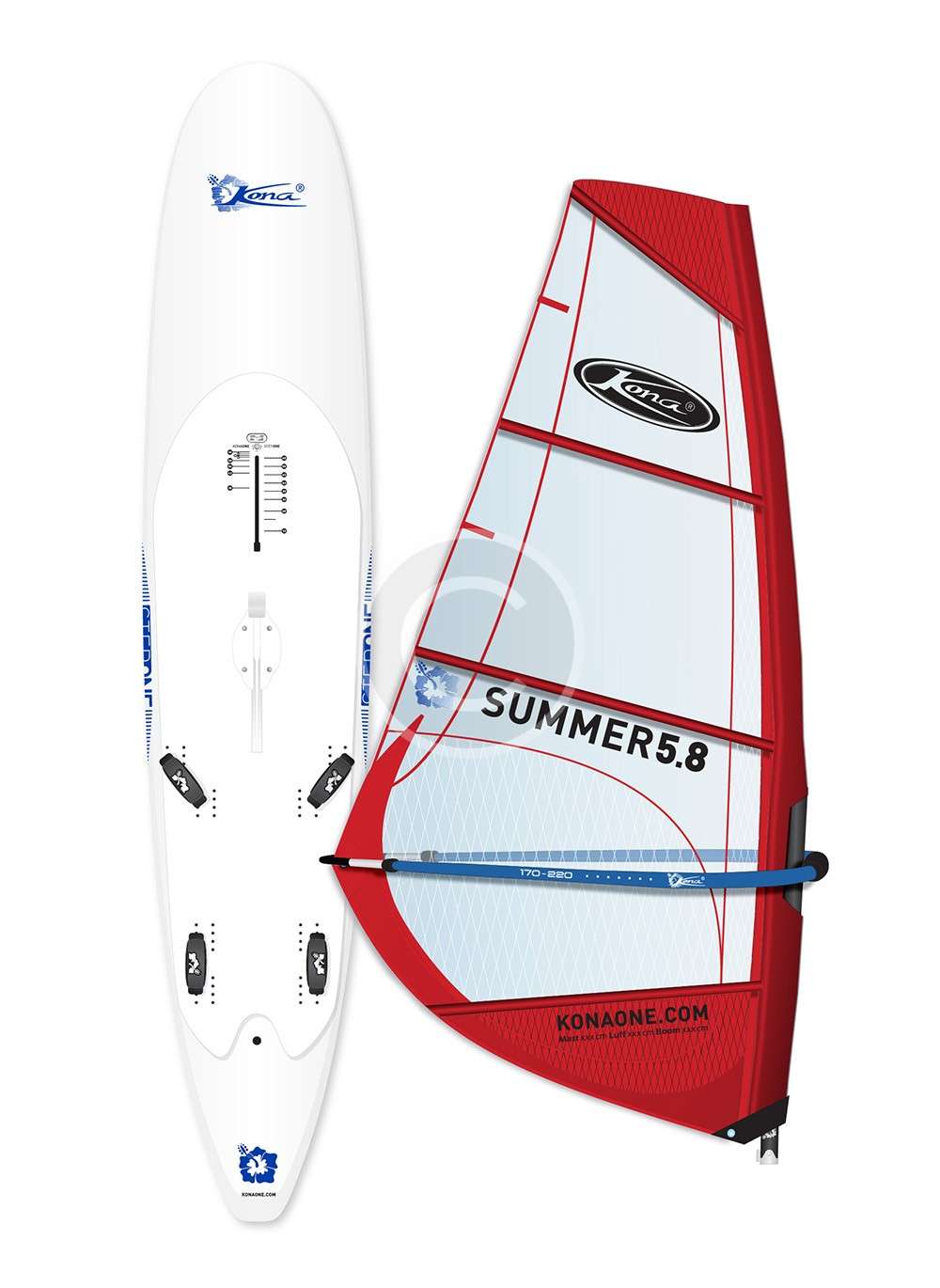
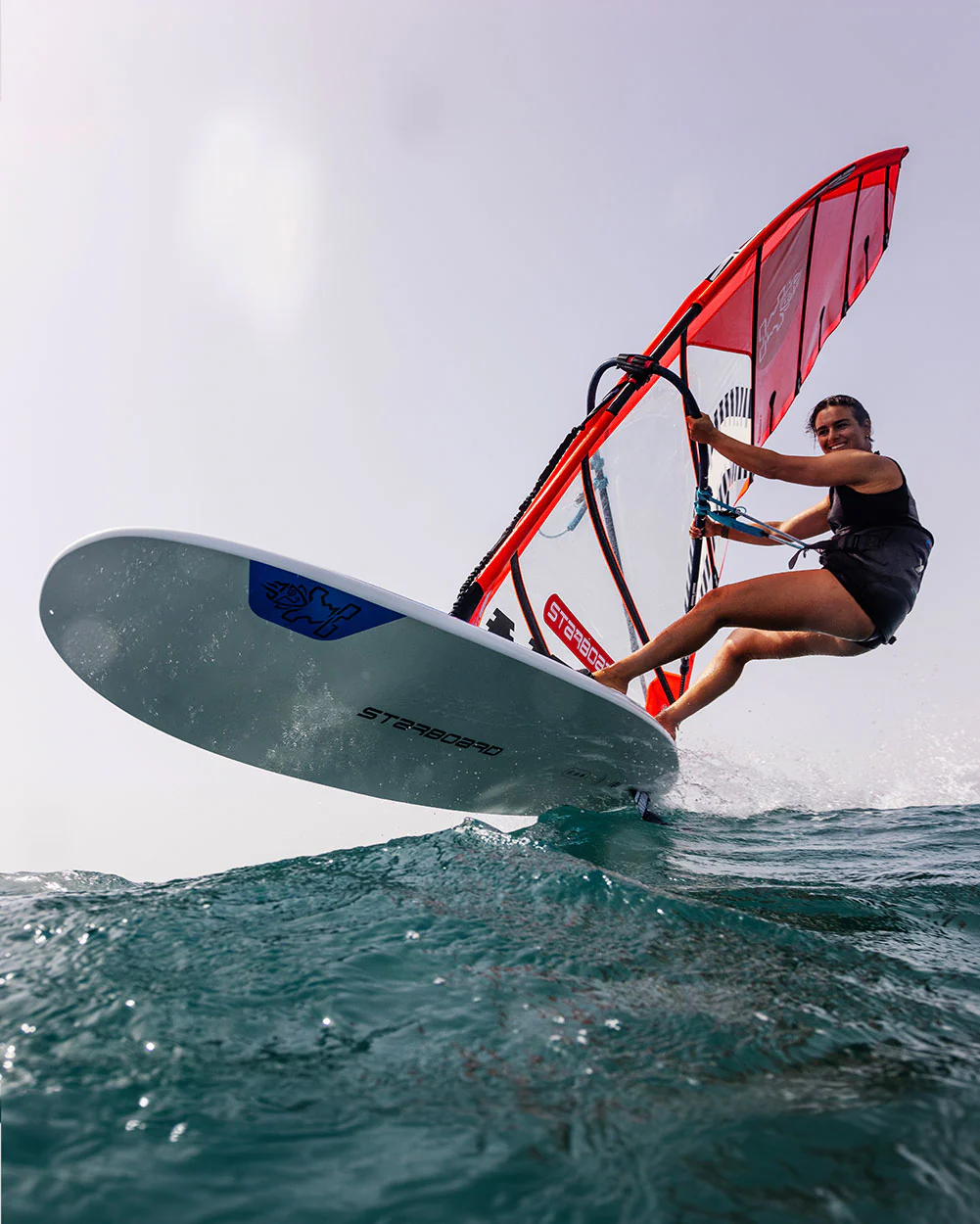
White surfboards often serve as blank canvases, providing a clean, classic, and visually striking look.
-
This neutral palette accentuates overlay graphics, brand logos, or color trims, making them stand out with minimal base coloration .
Construction & Material Technologies
Modern windsurf boards, including white models, typically feature advanced composite constructions:
-
Core Materials: Most boards utilize expanded polystyrene (EPS) cores reinforced with composites like carbon fiber, kevlar, or fiberglass in epoxy or thermoplastic lamination.
-
Technological Builds:
Board Shapes, Stability & Usage
-
Deck Profiles:
-
Hull Bottom Designs:
-
Flat Bottom – Fast and straight-tracking; less maneuverable.
-
Vee Bottom – A blend of speed and easier turning; versatile in varied conditions.
-
Concave/Convex/Hybrid – Offer enhanced lift, control, and wave-cutting capability.
-
-
Dimensions & Playability:
Performance Categories: Where White Boards Excel
-
Beginner / Freeride
-
Compact shapes with daggerboards for stability and easy learning curves.
-
Durable finishes—great for rentals or regular school use .
-
-
Freeride / Planing
-
Wider forms with moderate rocker for “fun blasting” in flat to decent wind.
-
Provides comfort and responsive acceleration—often offered in minimal-white graphic styles .
-
-
Advanced / Wave & Slalom
-
Concave or hybrid deck shapes, carbon-infused designs, and precise rocker for reactive performance.
-
White boards here emphasize clean design and highlight detailing .
-
-
Foil-Ready
-
Often built with a white base to enhance visibility of foil hardware and subtle graphic touches.
-
Design Considerations & User Benefits
-
Visual Cleanliness: Scratches may show on white surfaces but are easier to touch up and maintain a fresh aesthetic.
-
Customization: White is easier for custom graphics, decals, or branding overlays—popular in bespoke board creation
-
Thermal Advantage: Reflects sunlight effectively, helping reduce overheating of the board material under intense sun.
Final Thoughts
A white windsurfing board is more than a color choice—it’s a versatile foundation that blends classic aesthetics with high-performance potential. Whether you’re a beginner learning the ropes or a seasoned sailor chasing waves or speed, a white board is adaptable, visually clean, and technically rich in construction.


ratingWow –
https://telegra.ph/Top-kazino-11-14-2